The stretch from late December through January offers two genuinely different Masai Mara experiences. Christmas and New Year bring full camps, festive energy, and a significant price premium. January, once the school holidays end, brings quiet mornings, attentive guiding, lower rates, and wildlife viewing that competes with any month on the Kenya safari calendar.
Neither period is a compromise. They suit different travelers. Here is what each one actually looks like on the ground.
Quick Comparison: Masai Mara Christmas vs January
| Factor | Christmas / New Year (Dec 20 to Jan 5) | January (Jan 6 to Jan 31) |
|---|---|---|
| Crowd level | High: one of the busiest periods | Low to moderate |
| Camp rates | Peak rates, often 20 to 40% above standard | Post-peak; lower rates at most properties |
| Booking lead time | 6 to 12 months for premium camps | 2 to 4 months usually sufficient |
| Wildlife quality | Very good: predators active, dry conditions | Very good to excellent: equally strong |
| Weather | Warm and dry (post-short rains) | Warm and dry (dry season continues) |
| Photography | Good; vehicles can crowd major sightings | Excellent: few vehicles at sightings |
The Christmas and New Year Period
What the Festive Season Looks Like
Late December in the Masai Mara has its own distinct character. The top camps prepare full bush Christmas meals, decorations appear on canvas dining walls, and sundowners carry a social energy that the rest of the year simply does not produce. Camps run at full occupancy, and it is common to share game drives with guests from several countries who have chosen this particular way to mark the holiday.
Game viewing is consistently strong. December follows the short rains of October and November, leaving the Mara with a transitional landscape: patches of green fading alongside drying savannah. Predators are active. The resident wildlife population is at full strength. The Mara River remains accessible. The dramatic wildebeest crossings of July through October have ended, but resident herds remain on the plains, and predator activity is high.
The atmosphere is social and celebratory. Guests share long dinner tables and compare morning sightings over drinks. Camp management puts extra effort into food, programming, and decor. For travelers who want to mark an occasion in a remarkable setting, this energy is a draw in its own right.
The Cost Reality
Christmas is the most expensive period on the Kenya safari calendar. Most camps charge peak rates, and many require minimum stays of three to five nights across the holiday window. Cancellation policies are stricter than at other times of year.
Expect to budget a meaningful premium: typically 20 to 40 percent above a camp’s standard high-season rate. The best properties fill their December allocations months in advance. Booking by April or May for a December trip gives you realistic access to first-choice camps. Waiting until August or September for Christmas travel risks finding only secondary options.
January in the Masai Mara
What Changes After the Holidays
From around January 6, once international school holidays end, the Masai Mara quiets down sharply. The shift is noticeable from the first morning. Camps that were fully booked the previous week now have space. The guide managing multiple vehicle groups through Christmas is now focused entirely on your drive. Early departures feel private. The plains open up.
The typical January visitor skews toward adult couples, photographers, and repeat travelers who know what a low-season window delivers. This is not a consolation prize for missing December. It is a different quality of trip.
Wildlife and Value in January
Game viewing in January is excellent, and by certain measures better than December. The short rains have cleared, vegetation is drying toward peak dry-season conditions, and predators are at their most visible on open terrain.
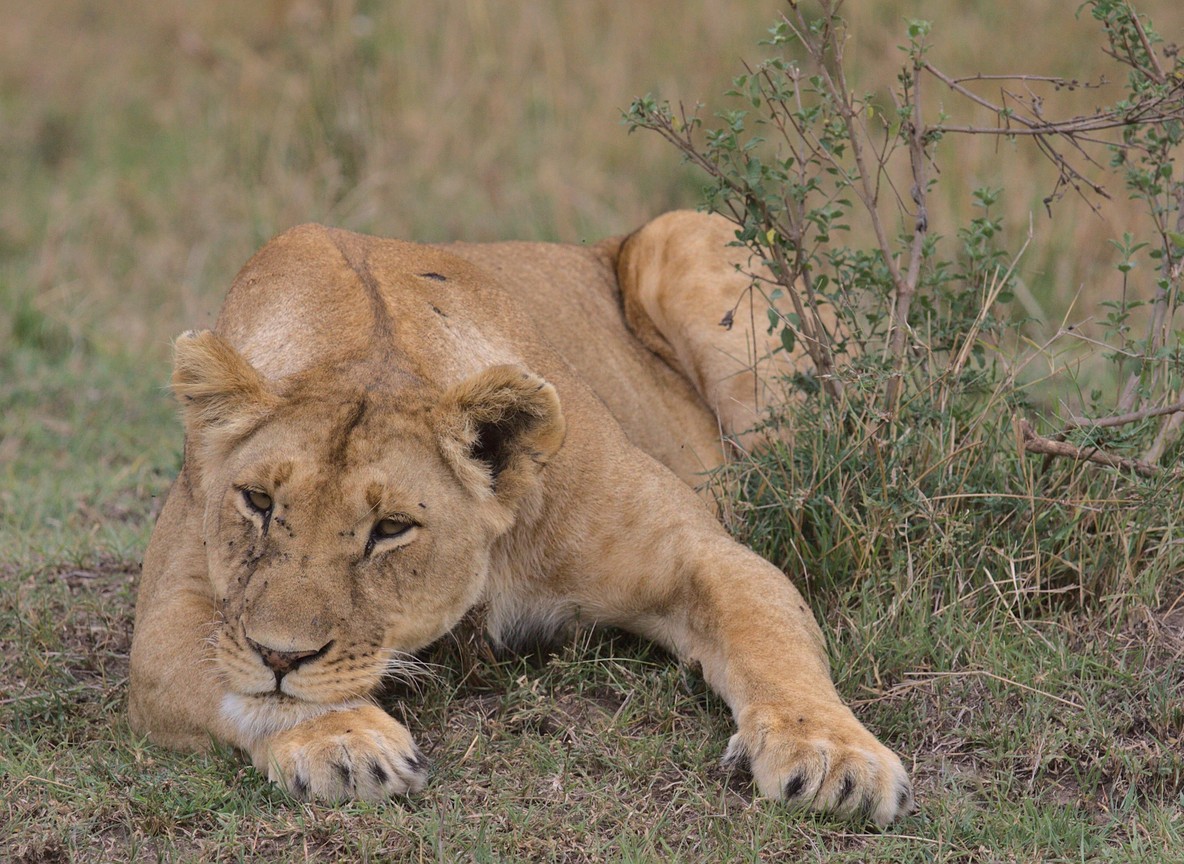
Lions are frequently found near recent kills. Cheetahs hunt the open plains with no vehicle congestion to obstruct the scene. Leopard sightings improve as tree cover thins. Migratory birdlife is still present. Elephant and buffalo herds move through the conservancies freely.
January rates are noticeably lower than December. Some camps run post-holiday promotions for this period, and booking lead times are shorter: two to three months is often sufficient even for premier conservancy properties. If your dates are flexible past January, the dry season keeps delivering strong conditions through February and into March, with crowds and rates continuing to ease as the year goes on. See our dedicated Kenya safari January vs February comparison for how those two months stack up against each other specifically.
Wildlife Side by Side: December vs January
| Wildlife Factor | December (Christmas period) | January |
|---|---|---|
| Lions | Active and visible | Very active; excellent sightings |
| Cheetahs | Good sightings on open plains | Outstanding: peak predator visibility |
| Leopards | Present; some tree cover limits sightings | Good; drying vegetation improves sightings |
| Wildebeest | Resident herds; calving starts in Serengeti | Resident herds; some movement beginning |
| Elephants | Present and active | Present and active |
| Birdlife | Excellent: migrants present | Excellent: migrants still present |
| Vegetation | Some green, transitioning to dry | Increasingly golden and open |
Both months deliver strong game viewing. January’s lower vegetation gives it a marginal advantage for predator visibility, particularly cheetahs and lions on open ground where vehicle access is easier.
Camp Atmosphere: Festive Energy vs Quiet Focus
Christmas Camp Character
A full camp at Christmas creates a community of its own. Guests meet at long shared tables, exchange sighting reports over sundowners, and find themselves drawn into a collective excitement that only exists for those few days. Camp management invests extra effort in food, decor, and evening programming. For those wanting to celebrate a significant occasion in an extraordinary landscape, this social atmosphere is the point, not an inconvenience.
January Camp Character
January camps feel intimate in a way that December cannot match. Fewer guests means more personal service, more attentive guiding, and quieter mealtimes where conversations have room to develop. Photographers find the freedom they are looking for: no vehicle queues at sightings, genuine flexibility at sunrise, and open terrain without crowd pressure.
For couples marking an anniversary, solo travelers seeking a slower pace, or visitors returning for their second or third safari, January’s quieter rhythm is often exactly what they were hoping to find.
Which Period Suits You?
Choose Christmas or New Year if you:
- Can only travel during the December school holiday window
- Want to celebrate the season in a setting unlike any other
- Are travelling as a family with school-age children
- Enjoy the social energy of a full camp with festive programming
- Have booked six to twelve months ahead and secured good rates
- Are comfortable paying a premium for the festive experience
Choose January if you:
- Have flexibility to travel outside the peak holiday window
- Want the best value for Masai Mara conditions
- Are travelling as a couple, a photographer, or a solo visitor
- Prefer fewer vehicles at sightings and more personal guide attention
- Can book two to four months out and find better camp availability
- Want equally strong wildlife without the December pricing
Explorer Notes
Book Christmas early. Premium conservancy camps and tented lodges fill their December allocations six to twelve months ahead. Committing by April for a Christmas trip is realistic planning. September is already late.
All-inclusive rates make sense for December. Some Kenya camps offer room-and-board pricing with activities and drinks billed separately. Holiday periods can make these itemized additions add up quickly. Booking all-inclusive for the festive window removes billing surprises.
January needs less lead time, but not zero. Two to three months covers most properties with reasonable options. Six weeks out can still work for some camps, but limits your choice. Premier conservancies outside the main reserve can be selective year-round.
Internal flights ease in January. Kenya’s bush flight network is under peak demand in December. January scheduling opens up considerably, which helps when building multi-destination Kenya itineraries.
Weather is consistent in both months. The short rains typically clear by late November. Late December through January is warm and dry. Vegetation dries progressively through January into the early dry season, which is what improves predator sightings as the month advances.
Conclusion
The Masai Mara Christmas vs January decision comes down to three factors: schedule flexibility, budget, and the kind of experience you are looking for.
Christmas delivers festive atmosphere, strong game viewing, and the chance to mark an occasion in one of Africa’s great landscapes. It costs more and requires earlier planning. January delivers equally impressive wildlife, noticeably lower rates, and a quieter, more personal quality across every part of the trip. Both are genuine choices. The Masai Mara rewards visitors in either month. The difference is in the texture of the experience, not the quality of the destination.
Turn this reading into a real itinerary with help from a Kenya-based safari team.
Start Planning Your SafariFurther reading
More safari planning resources
- Best time to visit Kenya month-by-month map from Valley Safaris
- Masai Mara destination guide on FindMySafari
- Interactive Maasai Mara map from Valley Safaris
- Compare Kenya safari packages on FindMySafari